

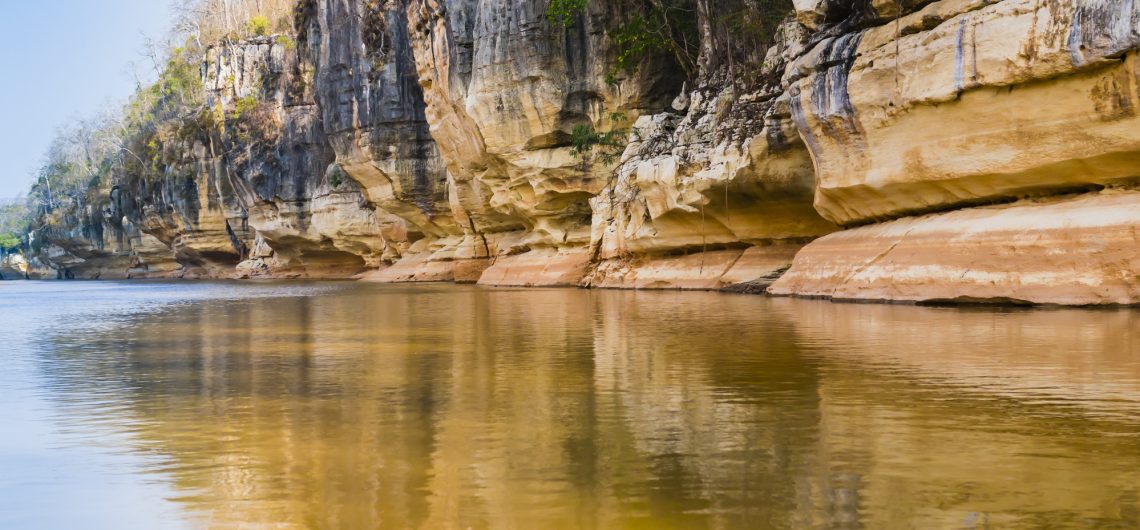
Madagascar, the magnificent island nation nestled off the southeast coast of Africa, is a treasure trove of natural wonders, unique wildlife, and vibrant cultures. From the towering baobabs of the Avenue of the Baobabs to the lush rainforests of Andasibe, the island offers a plethora of experiences that cater to every traveler’s dream. However, the timing of your visit can greatly influence your journey. Here’s a guide to help you determine the perfect time to immerse yourself in the wonders of Madagascar.
The Seasons of Madagascar: An Overview
Madagascar boasts two primary seasons: the dry season and the rainy season. Each presents its own unique charm, making it essential to choose wisely based on your travel goals.
1. Dry Season (April to November): The Ideal Time for Exploration
The dry season is undoubtedly the most popular time to visit Madagascar, characterized by warm temperatures, clear skies, and minimal rainfall. This period is perfect for:
-
Wildlife Spotting: With nature at its peak, you can easily spot the island’s famous inhabitants, including lemurs, chameleons, and various bird species. National parks like Andasibe-Mantadia and Ranomafana are teeming with life during these months.
-
Scenic Adventures: The dry weather is ideal for outdoor activities such as hiking and exploring Madagascar’s diverse landscapes. Whether trekking through the jagged limestone formations of Tsingy de Bemaraha or taking a leisurely stroll along the pristine beaches of Nosy Be, the conditions are perfect for adventure.
-
Whale Watching: From June to September, the waters surrounding Île Sainte-Marie become a gathering point for humpback whales. This is the best time to embark on a boat tour and witness these majestic creatures up close.
2. Rainy Season (December to March): A Lush and Serene Paradise
Though many travelers shy away from visiting during the rainy season, this time of year has its own unique appeal:
-
Unmatched Beauty: The rains transform Madagascar into a lush paradise, bringing life to waterfalls, forests, and landscapes. National parks are vibrant and full of color, offering stunning photographic opportunities.
-
Fewer Tourists: If you prefer a more tranquil experience, the rainy season sees fewer tourists, allowing for a more intimate connection with the local culture and nature. Many attractions are less crowded, giving you the freedom to explore at your own pace.
-
Eco-Tourism: The rainy season is a haven for eco-tourism enthusiasts. This is a fantastic time to embark on guided night walks and discover Madagascar’s unique nocturnal wildlife, including rare species that are not often seen during the day.
Understanding Cultural Timing: Festivals and Celebrations
In addition to weather considerations, timing your visit to coincide with local festivals can enrich your experience:
-
Alahamady Be (Malagasy New Year): Celebrated in March or April, this lively festival is a time of joy and family gatherings, showcasing traditional rituals and local cuisine.
-
Donia Music Festival: Held in May or June on Nosy Be, this festival is a vibrant celebration of music and culture, featuring performances from artists across the region.
-
Whale Festival: In July, Sainte-Marie Island comes alive with festivities dedicated to the annual whale migration, blending cultural celebrations with the beauty of nature.
Choosing the Right Experience with 4WDMada
Regardless of when you decide to visit, navigating Madagascar’s diverse terrains is best accomplished in a comfortable 4WD vehicle. With 4WDMada, you can rent a premium SUV with an experienced driver, ensuring a safe and enjoyable journey through this breathtaking island.
Plan Your Adventure Today!
With its diverse offerings, Madagascar is a year-round destination waiting to be explored. Whether you’re captivated by the prospect of wildlife encounters during the dry season or the lush beauty of the rainy months, this island promises wonders at every turn. Choose your ideal travel timing and get ready for an unforgettable adventure in Madagascar!

Comments